

5.0 Average Rating
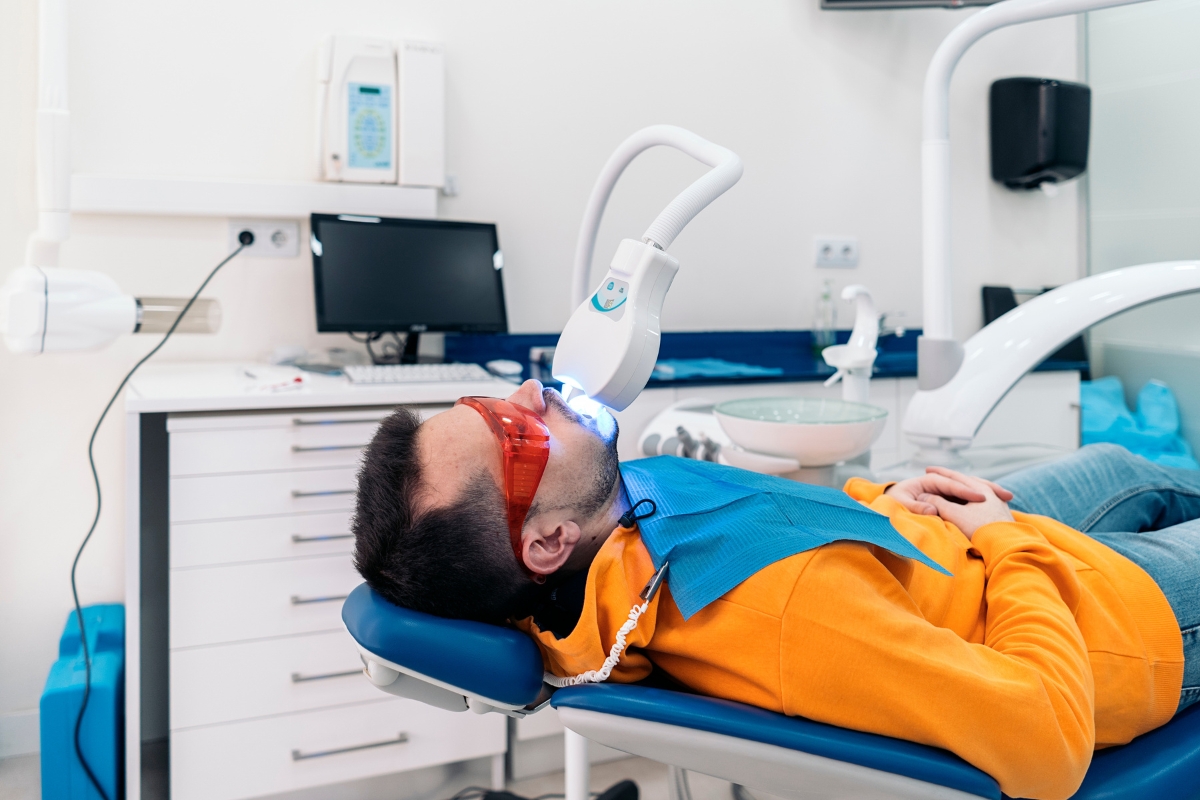
A dental chair is more than a piece ofequipment. It is the center ofevery patient’s experience in your practice. From the moment someone sits down for a cleaning or a complex procedure, that chair communicates something — care, competence, and comfort. When it works well, nobody notices. When it doesn’t, everyone does.
Most practices don’t think about chair maintenance until something breaks. By then, you’re looking at canceled appointments, frustrated staff, and a repair bill that could have been avoided. Keeping your equipment in peak shape isn’t just good operations — it’s a reflection ofhow you treat your patients.
Ifyour chairs are showing signs ofwear, or ifyou simply haven’t had them inspected in a while, professional dental chair repair and a consistent maintenance routine can extend equipment life by years and protect the patient experience you’ve worked hard to build.
Why Preventive Maintenance Matters More Than You Think
Think ofyour dental chair the way a carpenter thinks oftheir tools. Sharpen them regularly, and they perform. Ignore them, and the work suffers.
Here’s what poor maintenance actually costs you:
- Unexpected downtime — A chair failure mid-schedule means rescheduling patients and losing trust.
- Shorter equipment lifespan — Neglected chairs wear out 30–40% faster on average.
- Infection control risks — Cracked upholstery and worn seals can harbor bacteria, creating compliance concerns.
- Higher long–term repair costs — Small issues become big problems fast when left unaddressed.
Routine care isn’t a luxury. It’s a quiet form ofrespect for your team, your patients, and your practice.
Daily Habits That Protect Your Equipment
Good maintenance starts with what your team does each day. These don’t take long, and they make an enormous difference over time.
At the star to feach shift:
- Wipe down all surfaces with manufacturer-approved disinfectants
- Check the chair’s range ofmotion — raise, recline, and return to upright
- Inspect the headrest and armrests for cracks or tears
- Test the foot control and handpiece connections
At the end of the day:
- Flush waterlines per your infection control protocol
- Check the spittoon and drainage for blockages
- Apply any leather or upholstery conditioner as recommended
- Power down properly — don’t just cut the breaker
These steps take under ten minutes. Done consistently, they catch problems early and keep your chair looking professional for years.
Monthly and Quarterly Checks Your Team Should Schedule
Beyond daily care, there are deeper inspections that should happen on a regular cycle.
Building these into your office calendar means they won’t get skipped.
Monthly:
- Inspect hydraulic and pneumatic connections for leaks or soft spots
- Check all wiring and cable management for fraying
- Test the chair lock and safety mechanisms
- Lubricate moving joints per the manufacturer’s specs
Quarterly:
- Full hydraulic fluid check and top-offifneeded
- Deep clean ofthe base and undercarriage
- Review upholstery integrity — including seams and attachment points
- Check the light arm for smooth movement and secure mounting
Ifanything feels offduring these checks — an unusual sound, slower movement, a soft spot in the hydraulic lift — don’t wait. Schedule a service call before it turns into an emergency.
Signs Your Chair Needs Professional Attention Now
Even with excellent in-house care, chairs need a trained technician at some point. Watch for these signs:
- The chair moves slowly or hesitates when adjusting positions
- You hear grinding, clicking, or knocking during movement
- The upholstery has visible cracks, tears, or separation at the seams
- Foot pedals are unresponsive or require extra pressure
- The chair tilts slightly off-center even when on a level floor
- Water or fluid is visible near the base after use
These aren’t cosmetic issues — they’re early warnings ofdeeper mechanical problems. Catching them now is far less expensive than replacing a chair that was pushed past its limit.
Choosing the Right Service Provider
Not all technicians are equal. When evaluating who you trust with your equipment, look for:
- Experience with your chair brand — Adec, Midmark, Pelton & Crane, and others have unique systems
- Documented service records — A good technician provides written reports after every visit
- Fast response times — When a chair is down, you need someone available
- Knowledge oflocal compliance standards — This matters for infection control inspections
Working with a provider who understands the pace ofa working dental practice makes the relationship smoother for everyone.
Localized Note for Practices Across the U.S.
Whether your practice is in a busy urban center or a smaller community, equipment reliability plays a direct role in patient retention. In areas where competition for dental patients is high, word travels fast — patients talk about their experience, and a clean, well-maintained operatory tells them something real about how you operate. Local health and safety inspections in many states also include equipment condition as part oftheir assessments. Staying ahead ofthat is simply good practice.
Questions Patients and Practice Managers Often Ask
How often should a dental chair be professionally serviced?
Most manufacturers recommend a professional inspection at least once a year, with some high-volume practices opting for twice yearly. If your chair runs eight or more hours a day, err on the side of more frequent service.
What causes dental chair hydraulics to fail?
The most common causes are low hydraulic fluid, worn seals, and debris in the system. These are preventable with routine flushing and fluid checks.
Can cracked dental chair upholstery be repaired, or does it need replacing?
Small cracks caught early can often be repaired with upholstery patch kits. Larger tears or separation at seams usually require full reupholstering, which is significantly less expensive than a new chair.
How do I know if my chair is still under warranty?
Check the original purchase documents or contact your equipment supplier with the chair’s serial number. Many manufacturers offer extended service contracts worth considering.
Is it safe to use a dental chair that makes noise during adjustment?
Unusual sounds — especially grinding or clicking — should be evaluated by a technician before continued use. Some noises are minor; others signal hydraulic or mechanical issues that can worsen quickly.
The Bottom Line
A well-maintained dental chair protects your patients, supports your clinical team, and reflects the standard your practice holds itselfto. Small, consistent actions over time prevent costly failures and keep your operatory running without interruption.
When something does need attention, acting quickly is always the smarter path.
At The Dental Techs, we work with dental practices to provide dependable equipment service, inspections, and repair that keeps your operatory functioning at its best. Our team understands the clinical and operational demands ofa working practice — and we’re here to help you stay ahead ofproblems before they become emergencies.
Book your appointment Today and let us help you protect the equipment your patients depend on.