

5.0 Average Rating
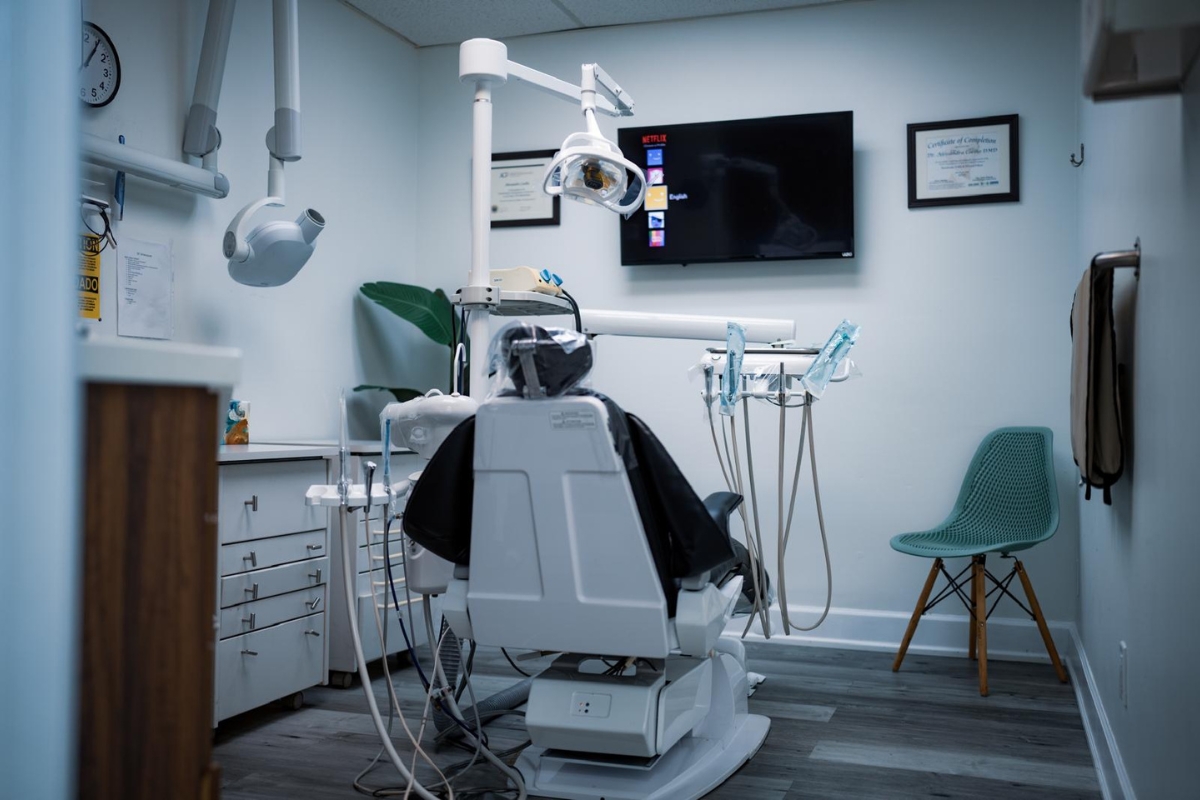
Your dental chair is the heart of your practice, and when it fails, everything stops. Dental chair repair is one of the most overlooked aspects of running a smooth, patient-friendly clinic. At The Dental Techs in Florida, we have seen firsthand how small ignored issues can snowball into costly breakdowns, cancelled appointments, and frustrated patients.
The good news? Most dental chair problems are predictable and preventable. This guide walks you through the most common issues, warning signs to watch for, and proven prevention strategies to keep your chairs running like new.
Why Dental Chair Health Matters More Than You Think
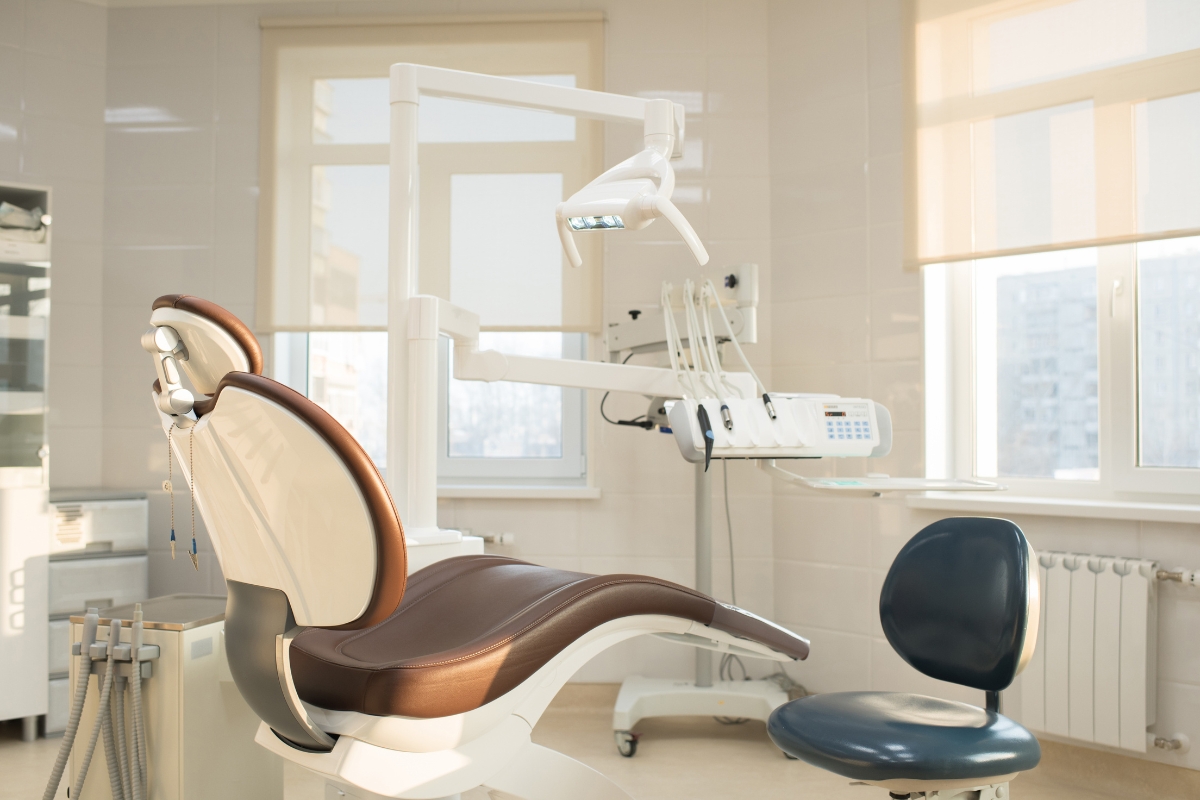
Dental chairs are sophisticated pieces of equipment combining hydraulics, electrical systems, upholstery, and integrated delivery units. A single malfunction can disrupt patient flow, create safety risks, and damage your clinic reputation.
Routine dental chair repair and maintenance is not just about fixing what is broken. It is about protecting your investment, maintaining compliance with health and safety standards, and delivering the comfortable, professional experience your patients expect.
Common Dental Chair Repair Issues (And What Causes Them)
1. Hydraulic System Failures
Hydraulic issues are among the most frequent reasons for dental chair repair calls. Symptoms include the chair moving too slowly, not holding its position, or making unusual sounds during adjustment.
Common causes include:
- Hydraulic fluid leaks from worn seals or cracked lines
- Contaminated hydraulic fluid reducing pump efficiency
- Pump motor wear from overuse or lack of lubrication
Left unaddressed, hydraulic failures can completely immobilize the chair, halting procedures mid-appointment.
2. Electrical and Control Panel Malfunctions
Modern dental chairs rely heavily on electronic controls for positioning, lighting, and integrated delivery systems. Electrical faults are a growing category of dental chair repair, especially in older equipment.
Watch out for:
- Unresponsive foot pedals or handpiece controls
- Flickering or non-functional operatory lights
- Error codes or frozen display panels
- Intermittent power loss during procedures
Electrical issues should always be evaluated by a certified technician. Never attempt DIY repairs on wiring or control boards.
3. Upholstery Wear and Cracking
Cracked, torn, or stained upholstery is not just an aesthetic issue. It is an infection control concern. In Florida humid climate, deteriorating chair surfaces can harbour bacteria and fail to meet sterilisation protocols.
Upholstery breaks down faster when exposed to harsh chemical disinfectants, UV light, or heavy daily use without protective covers. Reupholstering a chair is a common and cost-effective dental chair repair that can instantly refresh your operatory and restore compliance.
4. Water and Air Supply Problems
Dental chairs connect to both water and compressed air lines to power handpieces, suction systems, and the cuspidor. Problems here can range from low water pressure to complete air supply failure.
Typical culprits include:
- Mineral buildup blocking water lines, especially in hard-water areas
- Cracked or kinked tubing reducing airflow
- Clogged filters in the water supply system
Regular flushing and filter replacement go a long way in preventing these dental chair repair issues.
5. Mechanical Component Wear
Over time, bearings, pivot points, and adjustment mechanisms wear down. You may notice the chair making grinding or squeaking sounds, drifting from set positions, or showing stiff jerky movements.
These are signs that internal components need lubrication, tightening, or replacement. All of these are routine aspects of preventive dental chair repair.
How to Prevent Dental Chair Repair Downtime
Prevention is always cheaper than emergency dental chair repair. Here is a practical maintenance checklist for Florida dental practices.
Daily Habits That Protect Your Chair
- Wipe down upholstery with manufacturer-approved disinfectants only
- Flush water lines at the start and end of each day
- Check foot pedals and controls for responsiveness
- Avoid overloading the chair beyond its rated weight capacity
Monthly and Quarterly Maintenance Steps
- Lubricate mechanical joints and pivot points
- Inspect hydraulic lines for signs of leakage or wear
- Check and replace water filters as recommended
- Test all chair positions and emergency stop functions
Annual Professional Servicing
Schedule a comprehensive annual inspection with a certified dental equipment technician. A professional service visit covers hydraulic fluid checks, electrical safety testing, upholstery assessment, and calibration of all control systems. This approach catches small problems before they become expensive dental chair repair jobs.
The Dental Techs serves practices across Florida with fast, reliable service and same-day emergency response in most areas. Schedule your annual service visit today and keep your chairs in peak condition year-round.
When to Repair vs. Replace Your Dental Chair
Not every dental chair repair is worth completing. Here is a simple rule of thumb: if the cost of repair exceeds 50 to 60 percent of the replacement value, and the chair is more than 10 to 12 years old, replacement may offer better long-term value.
However, for chairs that are well-maintained and under 8 years old, targeted repairs such as hydraulic seals, new upholstery, or control board replacement are almost always the smarter financial choice.
Our technicians at The Dental Techs provide honest assessments to help Florida dental practices make the right call. No upselling, just straightforward advice backed by years of hands-on experience.
Questions Our Clients Ask Most Often
How often should dental chairs be professionally serviced?
At minimum, once a year. High-volume practices in Florida should consider bi-annual servicing. Regular inspections catch wear patterns early and keep you ahead of any costly dental chair repair needs.
Can I use any disinfectant on my dental chair upholstery?
No. Harsh chemicals like bleach or alcohol-based products can break down vinyl and synthetic upholstery over time. Always use disinfectants approved by your chair manufacturer. If you are unsure, our technicians can recommend the right products for your specific model.
My chair is making a grinding noise. Is that serious?
Grinding or squeaking during movement usually points to worn bearings or dry pivot points. It is not an emergency, but it should be inspected promptly. Ignoring it can lead to more extensive mechanical failure and a bigger dental chair repair bill down the line.
How long does a typical dental chair repair take?
Most common repairs, including hydraulic leaks, upholstery replacement, and control panel issues, can be completed in a single visit, often within a few hours. Emergency same-day service is available across most of Florida through The Dental Techs.
Does a warranty cover dental chair repairs?
It depends on the manufacturer and your warranty terms. Most new chairs include a 1 to 3 year warranty on parts and labour. Extended service contracts are also available and can significantly reduce your out-of-pocket dental chair repair costs over the life of the equipment.
Keep Your Practice Running Smoothly
Dental chair repair does not have to be stressful or disruptive. With the right preventive habits and a trusted service partner, your chairs can deliver reliable, comfortable performance for well over a decade.
At The Dental Techs, we specialise in keeping Florida dental practices up and running, with expert technicians, fast turnaround times, and transparent pricing. Whether you are dealing with an urgent issue or simply want to stay ahead of potential problems, we are ready to help.
Schedule your appointment today. Contact The Dental Techs and let our team protect the equipment your patients and practice depend on.