

5.0 Average Rating
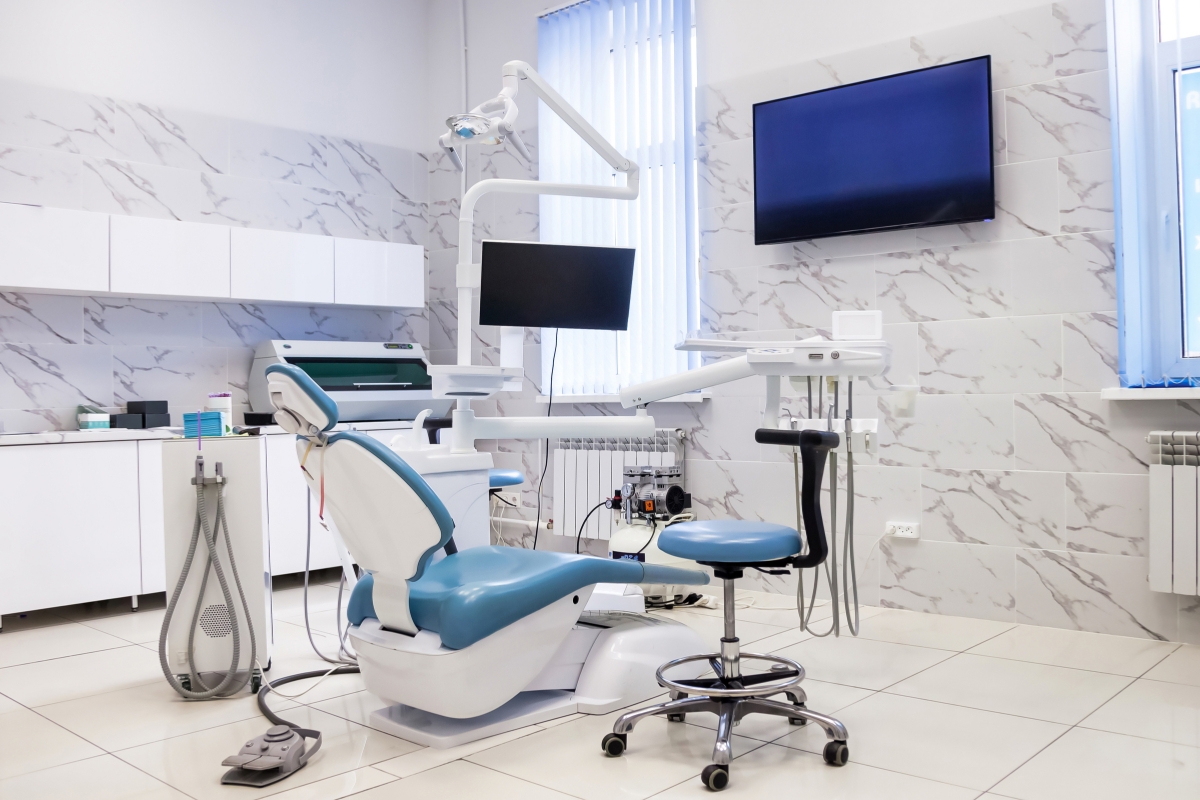
If your dental equipment is breaking down faster than expected, the problem might not be the equipment itself; it might be your environment. Temperature swings, humidity levels, and even the quality of your water supply can quietly erode the performance of your dental tools, leading to costly repairs, unexpected replacements, and most importantly compromised patient care.
Understanding how environmental factors impact dental equipment maintenance is one of the most overlooked aspects of running a high-performing dental practice. At The Dental Techs in Florida, we see this firsthand: our coastal, subtropical climate creates specific challenges that every dental professional in the region needs to plan for.
The good news? With the right knowledge and a proactive maintenance strategy, you can significantly extend the life of your equipment and protect your investment.
Why the Environment Matters More Than You Think
Dental equipment is precision engineering. X-ray machines, autoclaves, handpieces, compressors, and dental chairs are all built to operate within specific environmental tolerances. When those tolerances are routinely exceeded, wear accelerates often in ways that aren’t immediately visible.
Florida’s climate makes this especially relevant. High humidity, year-round heat, and proximity to saltwater air create a perfect storm of environmental stressors. Practices that don’t account for these conditions often find themselves dealing with premature equipment failure.
The Key Environmental Factors That Impact Dental Equipment
Humidity and Moisture
Excess moisture is one of the most damaging forces for dental equipment. High humidity accelerates metal corrosion, fosters the growth of mold and bacteria inside tubing, and degrades the lubricants that keep handpieces and motors running smoothly.
In Florida, indoor relative humidity can spike especially in practices without consistent climate control. Key risks include:
- Corrosion of metal components in handpieces, burs, and instrument trays
- Moisture intrusion into electrical components and control panels
- Waterline contamination, where biofilm builds up inside dental unit waterlines (DUWLs)
- Degraded seals and O-rings in compressors and autoclave chambers
Controlling indoor humidity to between 40–60% is a widely recommended benchmark for dental environments. Dehumidifiers, HVAC maintenance, and regular equipment inspections go a long way toward protecting your tools.
Temperature Fluctuations
Consistent temperature is critical for equipment calibration. When a practice heats up during the day and cools overnight especially in rooms with poor insulation the repeated expansion and contraction of materials can loosen fittings, crack seals, and throw off the calibration of sensitive diagnostic equipment.
X-ray sensors, intraoral cameras, and digital imaging systems are particularly vulnerable to temperature instability. These devices often contain delicate electronics that perform best within a narrow thermal range.
Best practice: Keep treatment rooms at a stable temperature, typically between 68–76°F. Avoid placing sensitive equipment near windows, exterior walls, or air conditioning vents where temperature swings are more pronounced.
Air Quality and Contaminants
Airborne particulate dust, aerosols, and chemical vapors accumulate inside equipment over time. Dental compressors are especially at risk, since they draw in ambient air to power handpieces and air-water syringes. If that air contains contaminants, they eventually reach the patient’s mouth.
Saltwater air, which is a reality for many Florida coastal practices, introduces chloride particles that accelerate corrosion of metallic surfaces. Practices near construction sites or high-traffic areas face additional risks from fine dust particles clogging filters and vents.
Routine air filter replacements and compressor maintenance are not optional they’re essential for both equipment longevity and infection control compliance.
Water Quality
Florida’s municipal water supply varies significantly by region, and water hardness (mineral content) plays a major role in the longevity of autoclaves and waterline components. Hard water causes scale buildup inside sterilization chambers, reducing heating efficiency and eventually damaging heating elements.
Soft, filtered, or distilled water is strongly recommended for autoclaves. Additionally, dental unit waterlines require routine flushing, chemical treatment, and periodic testing to keep microbial counts within safe limits a requirement reinforced by CDC guidelines and state dental boards.
Dental Equipment Maintenance Strategies Tailored for Humid Climates
Effective dental equipment maintenance in a humid, warm environment requires a layered approach one that goes beyond the standard manufacturer recommendations.
Daily Habits That Make a Difference
- Flush dental unit waterlines for a minimum of 20–30 seconds at the start and end of each day
- Wipe down and dry metal instrument surfaces before storage
- Run and vent compressors to release trapped moisture from air tanks
- Check autoclave water reservoirs and replace with distilled water as needed
Weekly and Monthly Checks
- Inspect handpiece lubrication and clean turbine components per manufacturer protocol
- Test dental unit waterlines for bacterial contamination using in-office test kits or third-party lab services
- Check HVAC filters and dehumidifier reservoirs
- Inspect X-ray equipment for condensation near connections or panels
Annual Professional Servicing
Once a year at minimum every major piece of dental equipment should be serviced by a qualified technician. This includes calibration checks, seal replacements, deep cleaning of internal components, and a full review of wear patterns.
At The Dental Techs, our Florida-based team specializes in dental equipment maintenance that accounts for the specific environmental demands of our region. Schedule your appointment today to get a full equipment assessment before small issues become expensive repairs.
The Cost of Ignoring Environmental Factors
Neglecting environment-specific maintenance has real financial consequences. A single dental handpiece can cost several hundred to over a thousand dollars to replace. Autoclave repairs, X-ray sensor replacements, and dental chair hydraulic servicing can each run into thousands.
Beyond repair costs, equipment failure disrupts your schedule, affects patient trust, and can trigger compliance concerns especially if sterilization equipment is involved.
Proactive dental equipment maintenance is always less expensive than reactive repair. And in a demanding climate like Florida’s, that margin is even wider.
Creating a Clinic Environment That Protects Your Investment
A few structural changes to your practice environment can significantly extend equipment life:
- Install a whole-clinic dehumidifier or ensure HVAC systems actively manage humidity
- Use water filtration systems for autoclaves and dental unit water supplies
- Apply corrosion-resistant coatings or protective covers on equipment stored near windows or exterior walls
- Maintain a clean, dust-controlled environment, especially in sterilization and equipment storage rooms
- Store instruments properly sealed, dry, and away from temperature extremes
These are not luxury upgrades. They’re practical investments that pay for themselves in reduced repair frequency and extended equipment life.
Your Equipment Questions, Answered
Why does my handpiece seem to wear out faster than expected?
Handpieces are especially sensitive to humidity and lubrication habits. In humid environments like Florida, moisture can infiltrate turbine bearings, accelerating friction and wear. Regular lubrication, proper drying before storage, and humidity-controlled rooms can dramatically extend handpiece life.
How often should dental unit waterlines be tested?
Most infection control guidelines recommend monthly or quarterly testing, depending on the waterline treatment protocol your practice uses. If your practice is in a high-humidity area or has older plumbing, monthly testing provides better protection for both patients and equipment.
Can temperature in the operatory really affect X-ray equipment?
Yes. Intraoral sensors and digital X-ray systems contain electronics that are sensitive to heat and condensation. Operating in rooms that experience frequent temperature swings can affect image accuracy over time and shorten the sensor’s lifespan. Keeping operatories at a stable temperature protects both diagnostic accuracy and hardware investment.
What type of water should I use in my autoclave?
Distilled or deionized water is recommended for almost all autoclave models. Florida tap water, even filtered, often contains minerals that leave deposits inside the sterilization chamber. These deposits reduce efficiency, trigger sensor errors, and can void your warranty. Replacing water regularly with distilled water is a simple habit with significant long-term benefits.
Is it worth investing in preventive maintenance contracts for dental equipment?
For most practices, yes. Preventive maintenance agreements ensure that equipment is inspected, calibrated, and serviced on a regular schedule before failure occurs. In Florida’s climate, where environmental stressors are persistent, having a reliable maintenance partner can reduce emergency repair costs by a meaningful margin while keeping your practice fully operational.
Taking the Next Step for Your Practice
Your dental equipment is one of your practice’s most important assets and the environment you operate in directly determines how long it lasts. Whether you’re dealing with high humidity, salt air, hard water, or fluctuating temperatures, a targeted dental equipment maintenance plan makes all the difference.
At The Dental Techs in Florida, we help dental professionals build maintenance programs that are designed for real-world conditions not just the manufacturer’s ideal. Our team understands the unique challenges of practicing in a subtropical climate and can help you stay ahead of equipment wear before it affects your patients or your bottom line.
Schedule your appointment today and let our team conduct a full environmental assessment of your practice. Because well-maintained equipment isn’t just a cost-saving measure it’s a commitment to the quality of care your patients deserve.