


5.0 Average Rating
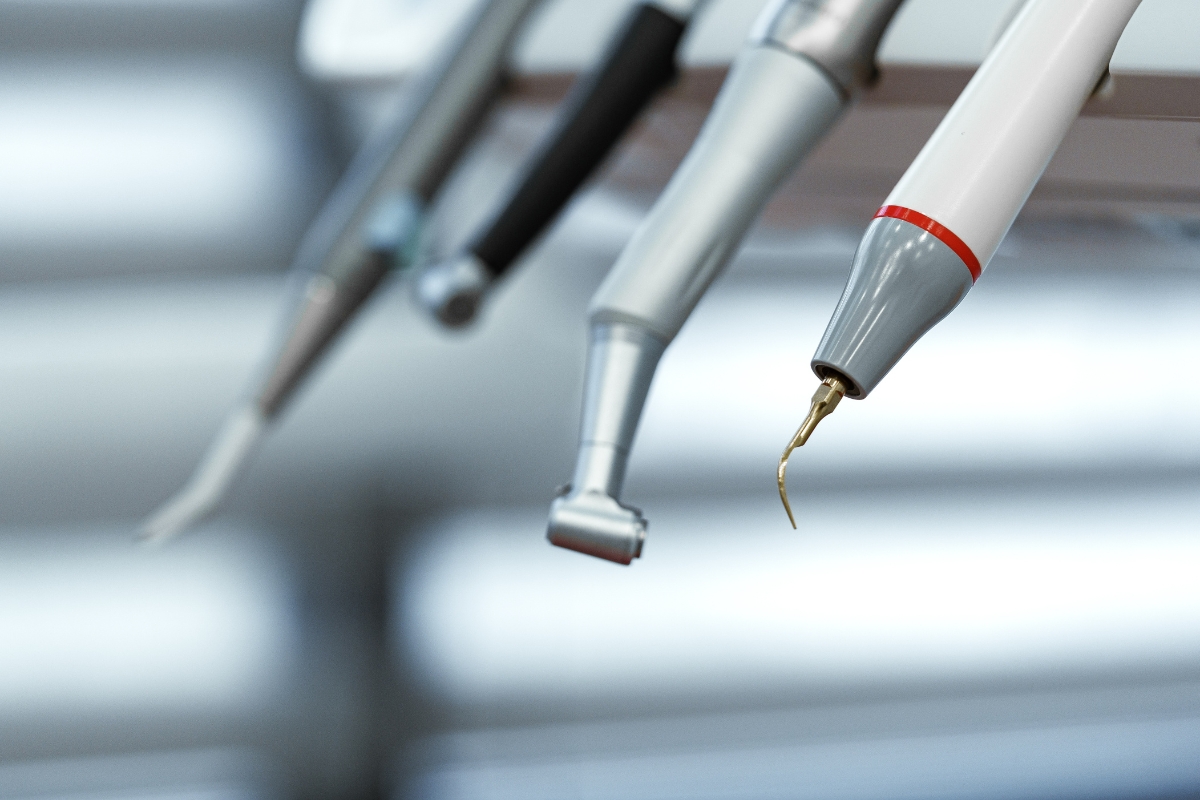
Is a Faulty Dental Instrument Putting Your Practice at Risk?
Picture this: you’re mid-procedure, and your handpiece starts losing suction, or your scaler isn’t vibrating at the right frequency. It’s disruptive, unprofessional, and more importantly it can compromise patient safety. For dental practices across Florida and beyond, dental instrument repair isn’t just a maintenance task. It’s a critical part of running a reliable, high-quality clinic.
At The Dental Techs, we’ve helped hundreds of practices get back on track with expert repair, proactive maintenance, and genuine replacement parts. Whether you’re dealing with a worn-out handpiece, a malfunctioning autoclave, or ultrasonic scalers that are losing their edge, this guide covers everything you need to know from routine upkeep to knowing when it’s time to call in the professionals.
Why Dental Instrument Repair Matters More Than You Think
Dental instruments are precision tools. They’re engineered to exacting standards, and even minor wear can affect clinical performance. Ignoring small issues almost always leads to bigger (and more expensive) problems down the line.
Here’s what’s really at stake:
- Patient safety: Damaged instruments can cause discomfort or injury
- Infection control: Cracks or worn seals may compromise sterilization
- Diagnostic accuracy: A handpiece running at the wrong speed affects the quality of work
- Regulatory compliance: Florida dental practices must meet OSHA and state board standards for equipment maintenance
Proactive dental instrument repair keeps your team efficient, your patients comfortable, and your practice compliant.
The Most Common Dental Instruments That Need Repair
Not all instruments fail the same way. Here’s a breakdown of the most frequently repaired dental tools and the issues they typically develop:
1. Dental Handpieces (High-Speed and Low-Speed)
Handpieces are workhorses and they wear out accordingly. Common issues include:
- Reduced turbine speed or erratic rotation
- Chuck failure (bur won’t lock in properly)
- Excessive vibration or noise
- Water/air spray malfunction
- Bearing wear from inadequate lubrication
Tip: Handpieces should be lubricated after every use and professionally serviced every 3–6 months, depending on usage volume.
2. Ultrasonic Scalers
Ultrasonic scalers use high-frequency vibration to remove tartar, and their tips degrade over time. Signs you need a repair or tip replacement:
- Reduced vibration intensity
- Overheating during use
- Inconsistent water flow
- Tip breakage
Worn scaler tips reduce clinical effectiveness significantly often before any visible damage appears.
3. Dental Chairs and Delivery Units
These aren’t “instruments” in the traditional sense, but they’re central to your workflow. Common failures include hydraulic leaks, electrical faults in the control panel, and tubing wear. Regular inspection prevents costly breakdowns mid-appointment.
4. Autoclaves and Sterilization Equipment
Sterilization failure is a serious infection control concern. Autoclave issues such as seal deterioration, pressure irregularities, or faulty door gaskets must be addressed immediately.
Routine Maintenance: Building Good Habits
The best dental instrument repair is the one you never need because you prevented the problem. Here’s a practical maintenance routine every Florida dental practice should follow:
Daily:
- Clean and lubricate handpieces after each patient
- Flush air/water lines for 20–30 seconds between patients
- Inspect instruments visually for cracks, chips, or corrosion
Weekly:
- Run autoclave biological indicator tests
- Check water quality and change distilled water in sterilizers
- Inspect tubing connections on delivery units
Monthly:
- Deep-clean and inspect ultrasonic scaler tips
- Lubricate dental chair articulation points
- Review and update your instrument inventory log
Every 3–6 Months:
- Schedule professional servicing for high-speed handpieces
- Have your autoclave calibrated and inspected
- Conduct a full equipment audit with a certified dental technician
At The Dental Techs, we offer scheduled maintenance programs tailored to the needs of Florida dental practices so nothing falls through the cracks.
Troubleshooting Common Dental Instrument Problems
Before sending an instrument out for repair, there are a few things you can check yourself. Here’s a quick troubleshooting guide:
Handpiece Not Spinning Properly?
- Check if the bur is seated correctly
- Confirm adequate air pressure at the source (typically 32–40 PSI)
- Apply manufacturer-recommended lubricant and run for 30 seconds
- If the problem persists → it likely needs a turbine replacement
Ultrasonic Scaler Losing Power?
- Inspect the tip for wear (tips should be replaced when worn 1mm or more)
- Check the water line for blockages
- Test with a different tip to isolate the issue
- If power loss continues → the transducer may need replacing
Autoclave Giving Error Codes?
- Consult the manufacturer manual for your specific code
- Check the door seal for visible damage
- Ensure the correct distilled water level
- If errors repeat → call a certified repair technician immediately
When in doubt, stop using the instrument. A compromised tool is not worth the risk to your patient or your practice.
When to Repair vs. When to Replace
This is a question we hear constantly at The Dental Techs. Here’s a simple framework:
Repair when:
- The instrument is less than 5 years old
- Repair cost is under 50–60% of replacement cost
- Parts are readily available
- The issue is isolated (one component, not systemic)
Replace when:
- Repair costs keep recurring (a sign of systemic wear)
- The instrument is outdated and lacks modern safety features
- Parts are discontinued or unavailable
- The instrument has failed sterilization standards more than once
Our team can assess your instruments and give you an honest cost-benefit breakdown no upselling, just straightforward advice.
Understanding Dental Instrument Parts and What They Do
A big part of effective dental instrument repair is knowing which parts are most vulnerable. Here are the key components dental techs work with:
- Turbines: The rotating core of high-speed handpieces; most commonly replaced component
- Bearings: Small but critical; worn bearings cause vibration and noise
- O-rings and seals: Maintain airtight connections; degrade with heat and chemical exposure
- Fiber-optic bundles: Found in light-guided handpieces; can fracture with rough handling
- Scaler tips/inserts: Direct patient contact; replace regularly based on wear indicators
- Autoclave gaskets: Maintain pressurized sterilization chambers; inspect monthly
Using OEM (Original Equipment Manufacturer) parts is always recommended. Generic parts may be cheaper upfront but often lead to premature failure and compatibility issues.
Questions Our Clients Ask Us Most Often
How often should I have my dental handpieces professionally serviced?
For high-volume practices, every 3 months is ideal. Lower-volume offices can typically get by with 6-month intervals. That said, always service a handpiece immediately if you notice changes in speed, vibration, or noise don’t wait for the scheduled appointment.
Can I use lubricant from any brand, or does it have to match the handpiece manufacturer?
Always use lubricants approved by your handpiece manufacturer. Using incompatible products can damage internal components, void warranties, and accelerate wear. When in doubt, ask your repair technician.
What’s the difference between repairing an autoclave myself and calling a professional?
Basic tasks like replacing water and cleaning the chamber are fine to do in-house. But anything involving pressure components, electrical systems, or door seals should always be handled by a certified technician. Improper autoclave repair is an infection control and safety liability.
How do I know if my ultrasonic scaler tip needs replacing?
Most manufacturers provide a wear indicator tool (a small gauge). If the tip has worn 1mm beyond the reference mark, replace it even if it looks fine visually. A worn tip reduces clinical effectiveness dramatically and increases procedure time.
Are there Florida-specific regulations I need to follow for instrument maintenance?
Yes. The Florida Board of Dentistry requires that dental equipment be maintained in safe working order per Florida Statutes Chapter 466 and applicable OSHA standards. Maintaining detailed service records is strongly recommended during inspections. Our team at The Dental Techs can help you build a compliant documentation system.
Keep Your Practice Running at Its Best
Your instruments are only as reliable as the care they receive. A proactive approach to dental instrument repair routine maintenance, timely troubleshooting, and quality parts protects your patients, your team, and your bottom line.
At The Dental Techs in Florida, we specialize in comprehensive dental equipment repair, maintenance programs, and parts sourcing for practices of all sizes. Our certified technicians understand the demands of a busy dental office, and we work quickly to minimize downtime.
Schedule your appointment today and let our team assess your instruments, identify potential issues before they become problems, and keep your practice performing at the highest standard. Contact The Dental Techs, Florida’s trusted partner in dental instrument repair.